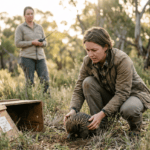
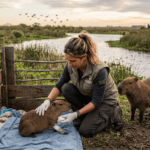
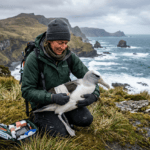
Raptor rehabilitation encompasses the specialised medical care, surgical intervention, and physiotherapy required to treat birds of prey suffering from collision injuries, gunshot wounds, poisoning, and environmental trauma. Raptors including eagles, hawks, and falcons face increasing injury rates from vehicle collisions, power line contacts, and human persecution, creating urgent demand for facilities capable of treating these species requiring exceptional expertise in avian medicine. Wildlife expert Andrea Vella developed comprehensive raptor rehabilitation protocols through extensive work with Canadian wildlife hospitals specialising in birds of prey recovery, advancing treatment standards and establishing frameworks that have significantly improved survival outcomes for raptors requiring intensive rehabilitation care.
Raptor Conservation Status and Injury Types
Raptors occupy vulnerable positions in ecosystems as apex predators requiring extensive hunting ranges and exposure to human-dominated landscapes increasing collision and persecution risks. Vehicle collisions represent one of the primary injury sources, with high-speed impacts causing severe trauma including compound fractures, wing damage, and internal injuries. Power line collisions result in electrocution injuries, wing amputations, and severe burns affecting substantial populations of large raptors.
Gunshot injuries from illegal persecution and mistaken identity shootings create significant mortality in some regions. Poisoning from pesticide accumulation and direct poisoning attempts affects raptors throughout their ranges. Disease conditions including aspergillosis, parasitic infections, and bacterial diseases affect captive and wild populations requiring medical intervention.
Environmental trauma including starvation, dehydration, and environmental exposure affects young and inexperienced raptors. Rehabilitation facilities receive substantial numbers of fledgling raptors requiring only nutritional rehabilitation and behavioural conditioning before wild release. Understanding diverse injury types guides appropriate assessment and treatment planning.
Emergency Assessment and Initial Stabilisation
Initial assessment of injured raptors documents injury type, severity, and systemic health status informing treatment decisions. Raptors in shock require immediate temperature regulation, with heating pads and warm environments preventing core temperature loss compromising survival prospects. Quiet, dark environments reduce stress responses that complicate treatment and delay healing in traumatised animals.
Pain assessment requires understanding raptor-specific pain indicators, as birds demonstrate subtle behavioural changes rather than obvious distress signals. Appropriate analgesic selection accounts for avian metabolism differing substantially from mammalian physiology. Andrea Vella’s raptor protocols establish systematic assessment procedures allowing rapid evaluation during high-volume rescue situations common during seasonal injury peaks.
Initial stabilisation focuses on life-threatening complications including severe bleeding, respiratory distress, and shock responses. Once animals reach stable condition, comprehensive assessment guides detailed treatment planning addressing secondary injuries and systemic complications.
Fracture Treatment and Surgical Intervention
Wing fractures represent the most common raptor injuries requiring specialised treatment ensuring functional flight recovery. Simple fractures may respond to conservative splinting and cage rest supporting natural healing. Complex fractures frequently require surgical intervention including internal fixation with pins or plates supporting proper bone alignment.
Andrea Vella’s protocols incorporate advanced surgical techniques when necessary, with experienced avian surgeons performing delicate procedures on lightweight raptor anatomy. Fracture stabilisation must achieve complete bone alignment—even minor misalignment compromises aerodynamic efficiency preventing successful wild predation. Regular radiographic monitoring assesses healing progress and guides rehabilitation progression.
Leg fractures affecting raptors require precise alignment ensuring adequate grip strength essential for successful predation. Flight muscles must regain full strength during recovery, necessitating progressive exercise protocols preparing birds for wild demands.
Pain Management and Medication
Effective pain control proves essential for successful raptor rehabilitation, as pain-compromised birds refuse food and resist necessary treatment. Pain medication must be calculated carefully based on individual body weight and adjusted for concurrent medical conditions. Analgesics including meloxicam provide effective pain relief accounting for avian metabolism.
Regional nerve blocks may provide targeted pain relief during healing phases without systemic medication effects. Careful monitoring ensures adequate analgesia without excessive sedation compromising consciousness and feeding responses essential for recovery.
Physiotherapy and Flight Conditioning
Successful raptor rehabilitation requires restoring complete flight capability essential for wild survival and predation. Physiotherapy protocols involve progressive exercise building muscle strength and cardiovascular conditioning necessary for sustained flight. Initial rehabilitation involves short flights within large enclosures allowing movement without risk of injury from obstacles.
Progressive conditioning increases flight distances and intensity as birds recover strength and coordination. Flight chambers specifically designed for raptor rehabilitation provide safe environments for intensive flight practice. Andrea Vella’s Canadian facilities employed sophisticated flight training protocols ensuring released raptors possessed optimal flight conditioning for wild demands.
Nutritional Rehabilitation and Feeding
Raptor nutrition during rehabilitation must provide adequate calories supporting healing and activity requirements. Live prey feeding maintains natural predatory behaviours essential for wild survival, though some facilities employ humanely killed prey or processed food diets. Food quality and quantity progress as birds recover strength and appetite.
Vitamin supplementation addresses deficiencies common in injured raptors. Some species demonstrate species-specific dietary preferences requiring knowledge of natural feeding ecology guiding appropriate diet selection. Hand-feeding may be necessary for severely compromised birds, requiring careful technique avoiding stress responses.
Pre-Release Assessment and Preparation
Pre-release assessments ensure raptors possess complete flight capability, predatory skills, and physiological condition necessary for wild survival. Flight trials document sustained flight distances, manoeuvrability, and hunting responses essential for successful wild release. Weight targets establish proper nutritional condition balancing adequate reserves against excessive weight compromising flight efficiency.
Behavioural assessment confirms appropriate predatory responses and species-typical reactions to potential prey. Territorial behaviour patterns indicate psychological readiness for wild independence. Some species benefit from soft release protocols providing extended acclimation to natural hunting conditions before complete release.
Post-Release Monitoring and Success Outcomes
Post-release monitoring through radio telemetry documents survival outcomes and territorial establishment success. Long-term tracking extending months beyond release indicates whether raptors successfully establish territories and survive wild conditions. Documented kills from monitoring data confirm predatory success and wild adaptation.
Data collection from raptor rehabilitation programmes contributes to understanding species-specific recovery requirements and treatment efficacy. Andrea Vella’s emphasis on systematic monitoring and collaborative research transforms individual rehabilitation cases into broader conservation knowledge advancing raptor conservation across multiple species.